The dye test, as five utilities describe it
The test works because a sound cistern holds its water until you flush. Sydney Water puts it simply: toilet cisterns shouldn’t release any water between flushes. The utilities agree on the method and differ on the wait.
Add a few drops of food colouring to the cistern, only enough to tint the water a little. Don’t flush, and wait. Colour showing up in the bowl means a leak. Flush when you’re done; the dye won’t stain a ceramic bowl.
Remove the cistern lid and add a few drops of food dye. Don’t flush for 10–15 minutes. If the dye has seeped into the bowl, there is a leak.
Add four or five drops of food colouring to the cistern, then wait half an hour without flushing. Colour in the bowl means a leak, and Water Corporation says you should contact a Waterwise Plumber to fix it.
Both describe the same check: a few drops of food colouring in the cistern, no flushing, and a look for colour in the bowl.
No food colouring? The paper test
South East Water’s steps:
- Make sure the back of the toilet pan is dry; it suggests waiting 30 minutes after the last flush.
- Place a piece of toilet paper at the back of the bowl.
- Leave it for a few minutes, with no one using the toilet.
- If the paper is wet or torn, you may have a leak.
Sydney Water’s version is a small piece of dry toilet paper that should stay dry until the next flush. South East Water adds that a toilet can also leak from its base if the seal is broken.
Other signs a toilet is leaking
Water Corporation lists these:
- water pooling around the base of the toilet
- staining where water runs down the bowl, which it says is most likely caused by dripping
- a noise that carries on after the flush has finished, which it says suggests a problem with the valve
- rusted metal parts on the toilet
Dripping taps, inside and out
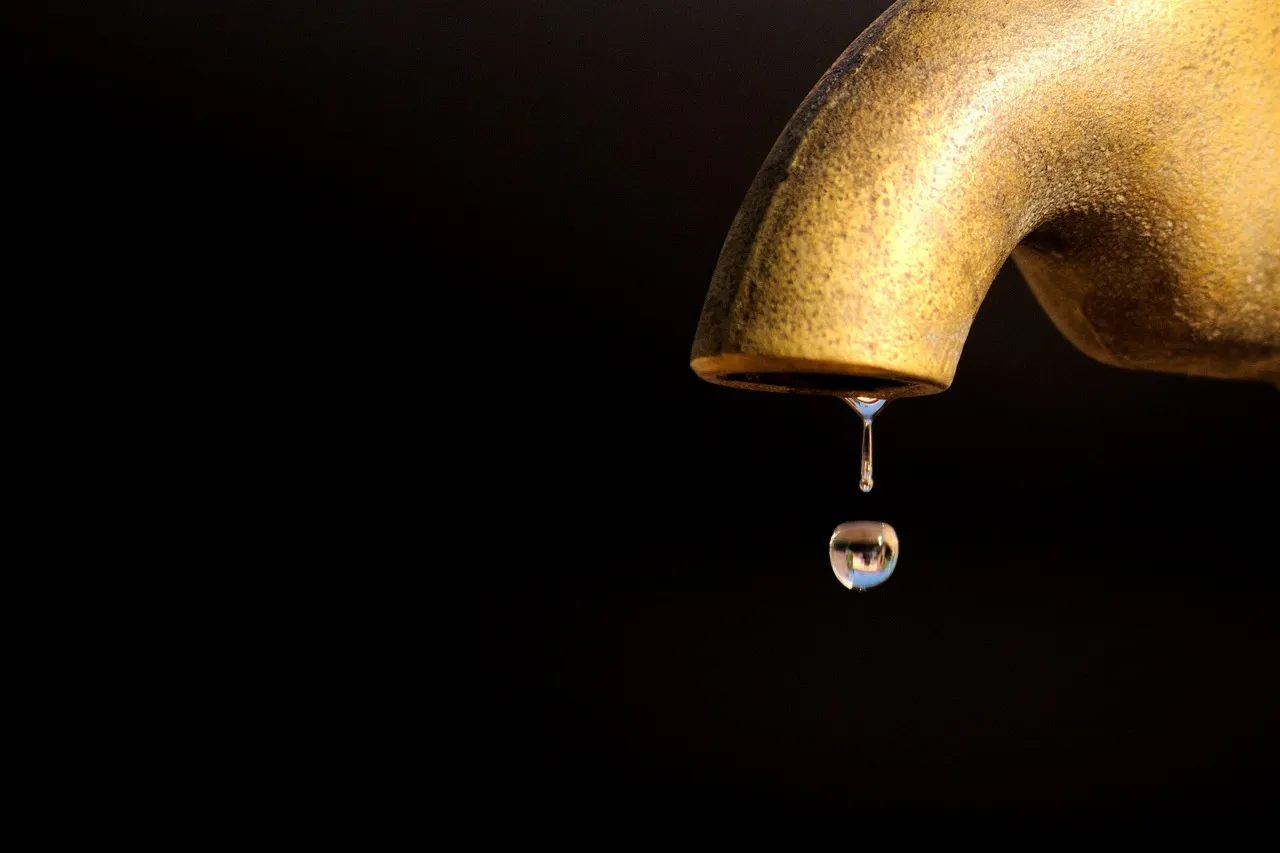
For a dripping tap, South East Water says a worn washer is the most likely cause; you may be able to change it yourself, or have a plumber do it. Water Corporation describes the washer as a small rubber disc that makes a watertight seal inside the tap stem, and says that with the right tools you can replace one yourself; anything beyond a worn washer needs a licensed plumber.
Outside, Sydney Water suggests disconnecting any hose or irrigation pipe that is always attached to a garden tap, then checking the tap itself isn’t leaking. Unitywater suggests checking the tap and its fittings each time you reach for the hose.
State regulators publish what a householder may do without a licence; Who may repair it sets out what they say.
How much water, by whose count
These figures differ: the utilities describe different leaks, over different periods, a day for some and a year for others. Read each one as that utility’s own estimate.
| Utility | Toilets | Taps |
|---|---|---|
| Hunter Water | A continuously running toilet: up to 60,000 litres a year. | A dripping tap and a leaking toilet: over a hundred litres a day. |
| South East Water | A toilet trickle: more than $425 a year on the bill; a big leak, $3,000 or more. | A dripping tap or one left on: up to 20,000 litres a year, or 55 litres a day, roughly $25 extra each bill. |
| Water Corporation | A running cistern: around 9,000 litres a year. | A leaking tap: up to 10,000 litres a year. |
| Icon Water | A leaking toilet: up to 700 litres a day. | A dripping tap: up to 150 litres a day. |
| SA Water | A running toilet: up to 260 litres a day. | Not given on its page. |
| Sydney Water | A constantly running toilet: thousands of litres a day. | A slow-dripping tap: a few litres an hour. |
Why these leaks are worth fixing early
A leaking toilet or tap is a visible leak, and visible leaks are outside the hidden leak allowances that several utilities offer. Sydney Water, Hunter Water, Unitywater and Water Corporation each exclude leaking taps and toilet cisterns from theirs. Hunter Water’s reason for fixing a leak quickly is that the owner is responsible for all usage charges.
The same pages name other fittings worth a look while you are checking: Sydney Water suggests checking the hot water system’s expansion valves, near the top of the unit, which shouldn’t constantly leak, and South East Water and Water Corporation both mention evaporative coolers.